
Cygnet Machinery is a leading Automatic Plastic Washing Line Manufacturer offering efficient and reliable plastic washing machines for plastic recycling and waste processing.
Plastic recycling is no longer solely collecting and recycling waste. With the increasing demand for re-recycled materials, recycling companies are seeking to recycle more plastic with less processing and to produce higher quality re-recycled materials. An integral part of this change is the evolution of automatic plastic washing technology.
The modern Automatic Plastic Washing Line can help recycling companies to overcome the problems of manual washing and enable them to pass from manual washing to a more complex process, which includes several washing stages, material handling, separation and processing. This leads to more uniformity of pretreated waste plastic for reclaimed recycling and helps to promote productivity and resource efficiency.
Why Is Washing So Important in Plastic Recycling?
Plastic waste collected is hardly ever in a hygienic and ready-to-process state. It may be contaminated with dust, dirt, labels, paper, food debris, oils, adhesives and other extraneous substances. These contaminants if not properly removed may impact the quality of the recycled material and the processing of the recycled material in the following steps.
Washing is thus an important step in plastic waste recycling. By keeping the valuable plastic material separate from the contaminants, effective cleaning can help recyclers create a cleaner feedstock for further processing.
This is more controlled through automation. An integrated washing line can be used in different stages in a systematic manner, thus helping to achieve the uniformity across larger production quantities, rather than depending a lot on manual cleaning.
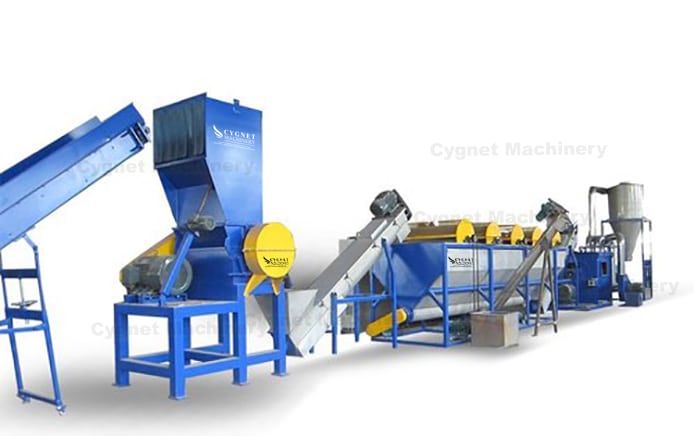
How Automation Makes Plastic Washing More Efficient
The biggest advantage of automation is not simply speed. It is the ability to coordinate multiple operations with greater consistency.
A typical Automatic Plastic Washing Line may include operations like feeding, crushing, washing, friction washing, rinsing, separating, and drying, based on the material and plant arrangement. Moving the material from one process to another through automation will prevent unnecessary manual movement and ensure smooth production flow.
For recycling businesses, this can be equated with higher efficiency and reliability in the process. The operator would concentrate on overseeing and operating the machinery instead of overseeing all processes involved in the washing process.
Better Cleaning Can Mean Better Recycling
Sustainability is closely connected to the quality of recycled output. If plastic waste is inadequately cleaned, contamination can limit its usefulness in subsequent applications.
Advanced washing systems are designed to provide controlled cleaning based on the characteristics of the waste material. Different plastics may require different combinations of mechanical action, water, temperature, and separation techniques.
A well-designed washing line can therefore help recycling plants produce a cleaner material stream while reducing the chances of contaminated material moving into later stages of processing.
Can Automation Help Reduce Resource Waste?
Sustainable recycling is not only about recovering plastic. It is also about using water, energy, labour, and raw materials responsibly.
Modern automated systems can help optimise processing by coordinating equipment and reducing unnecessary handling. Depending on the system design, water management and recycling arrangements can also be incorporated to improve resource utilisation.
The exact environmental benefits depend on factors such as the type of plastic being processed, contamination levels, washing requirements, plant configuration, and operating practices. This is why choosing machinery based on the actual recycling application is important.
From Waste Plastic to Valuable Feedstock
One of the most important contributions of plastic washing technology is its role in creating a usable feedstock for downstream recycling.
After washing and drying, suitable plastic materials can move toward processes such as agglomeration, extrusion, pelletising, or other forms of reprocessing. By improving the condition of the recovered material before these stages, washing technology becomes an important link between plastic waste collection and the creation of recycled products.
Cygnet Machinery specializes in offering machinery that can be used for processing as well as recycling of plastics, thus helping in various processes in the treatment of plastic wastes. The machinery is aimed at meeting various needs related to plastic reprocessing, extrusion, recycling, among others.
Why Automation Matters for the Future of Recycling
Recycling facilities that deal with large amounts of post-industrial and post-consumer plastic waste face challenges when using manual methods. Through automation, one can enhance consistency without relying much on manual labor.
But automation should not be considered a substitute for effective process design. There should be proper matching between washing technology and the plastic material, level of contamination, required output quality, production capacity, and available resources.
For businesses planning to expand their recycling capabilities, working with experienced machinery manufacturers can help ensure that the washing line is properly matched to the complete recycling process.
Making Plastic Recycling Smarter and More Sustainable
The future of plastic recycling will not only be dependent on the ability to recycle larger amounts of the material but rather the development of technologies that would enable improvements in all four areas simultaneously – recovery, quality, efficiency, and resource utilization.
The Automatic Plastic Washing Line can contribute to the development of more efficient recycling processes by converting the laborious process of cleaning into a more structured and automated process. Cleaning is critical for recycling, and automation is important for the development of a more consistent manufacturing process.
As the recycling business develops further, advanced plastic washing machines will become an increasingly relevant component of sustainable recycling systems.
FAQs
An Automatic Plastic Washing Line is an integrated system designed to clean and prepare waste plastic for further recycling, using automated stages such as feeding, washing, separation, rinsing, and drying.
Washing helps in removing the impurities present in the plastic such as dirt, dust, labels, residues, and many others.
Automation helps to cut down on the requirement of performing repetitive manual handling since it facilitates the flow and handling of materials through different stages of the process.
Conclusion
Cygnet Machinery is a renowned and trusted name in the industry, offering high-quality Automatic Plastic Washing Line that cater to a wide range of industrial applications. Our team can help you understand the available options according to your material type, production capacity, and washing requirements.
Contact Cygnet Machinery today to discuss your plastic washing requirements and find the right solution for your recycling business.